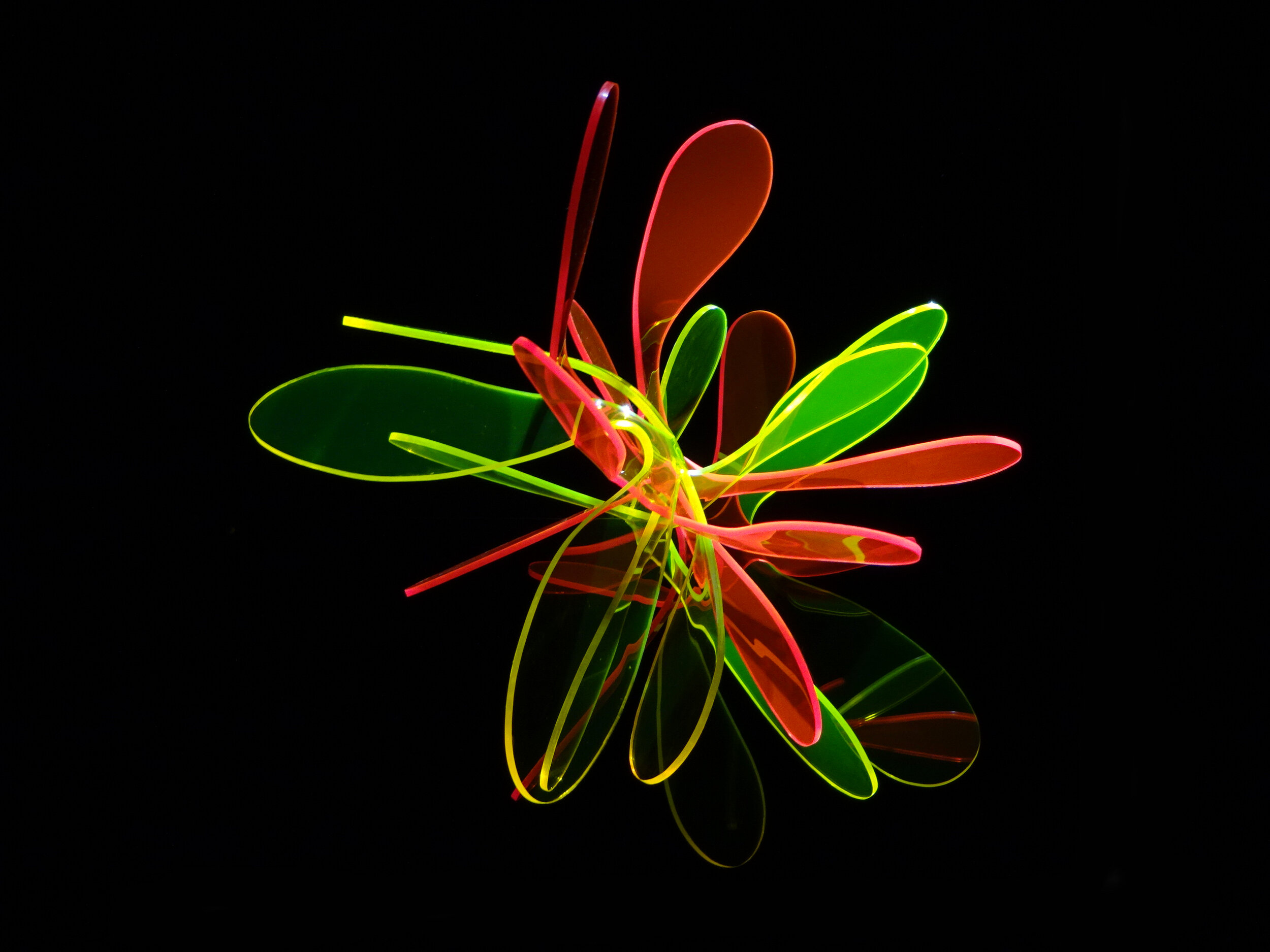
Bioscape (2021)
Swiss Triennial of Sculpture, Bad Ragaz
(Detail)
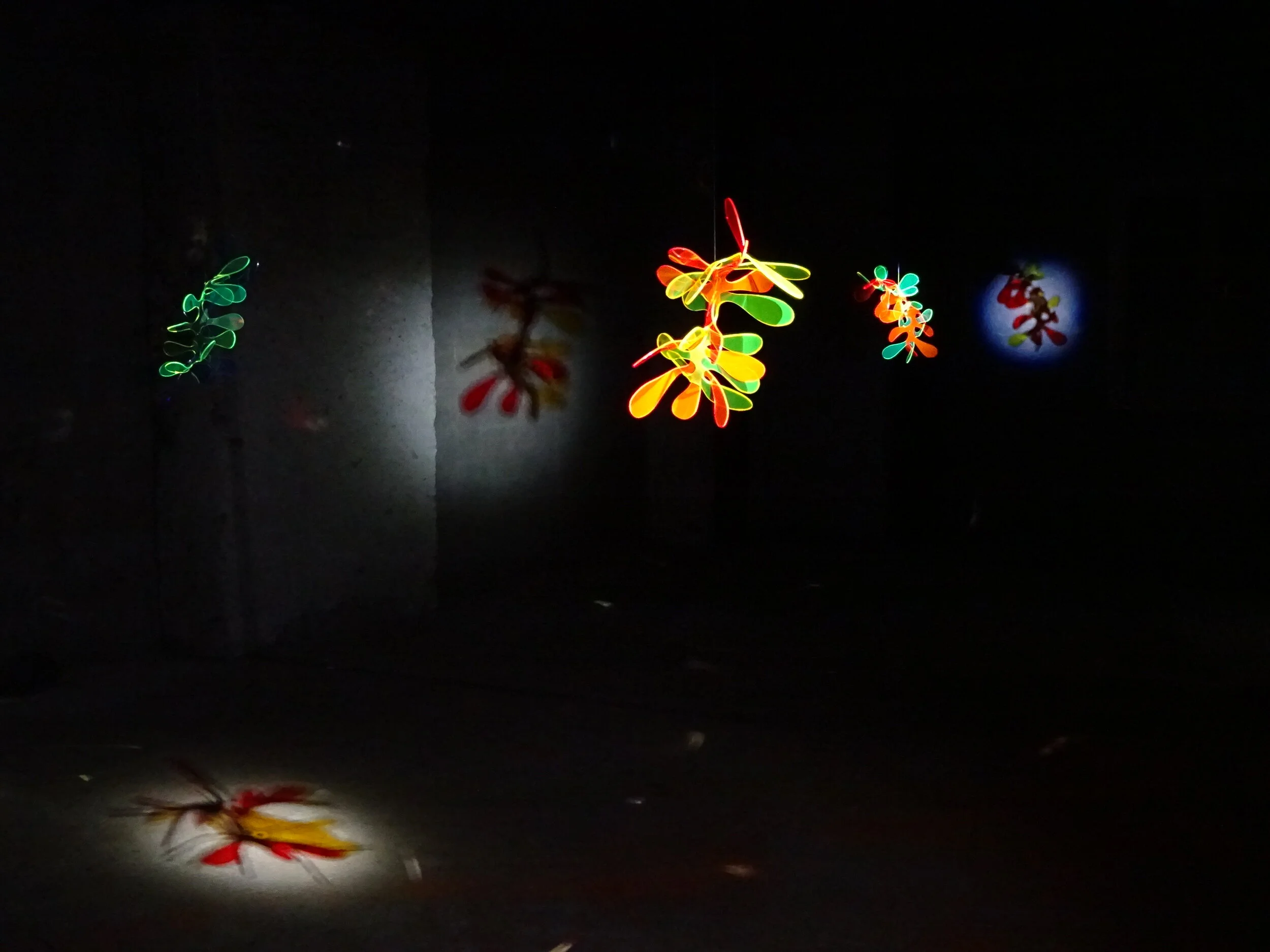
Bioscape (2021)
Swiss Triennial of Sculpture, Bad Ragaz

Biotopia (2019)
acrylic glass 45,5 x 23 x 19,5 x 48,8 x 20 cm

Transformation (2020)
acrylic glass 45,5 x 23 x 25 cm Triennale de sculpture contemporaine suisse en plein air
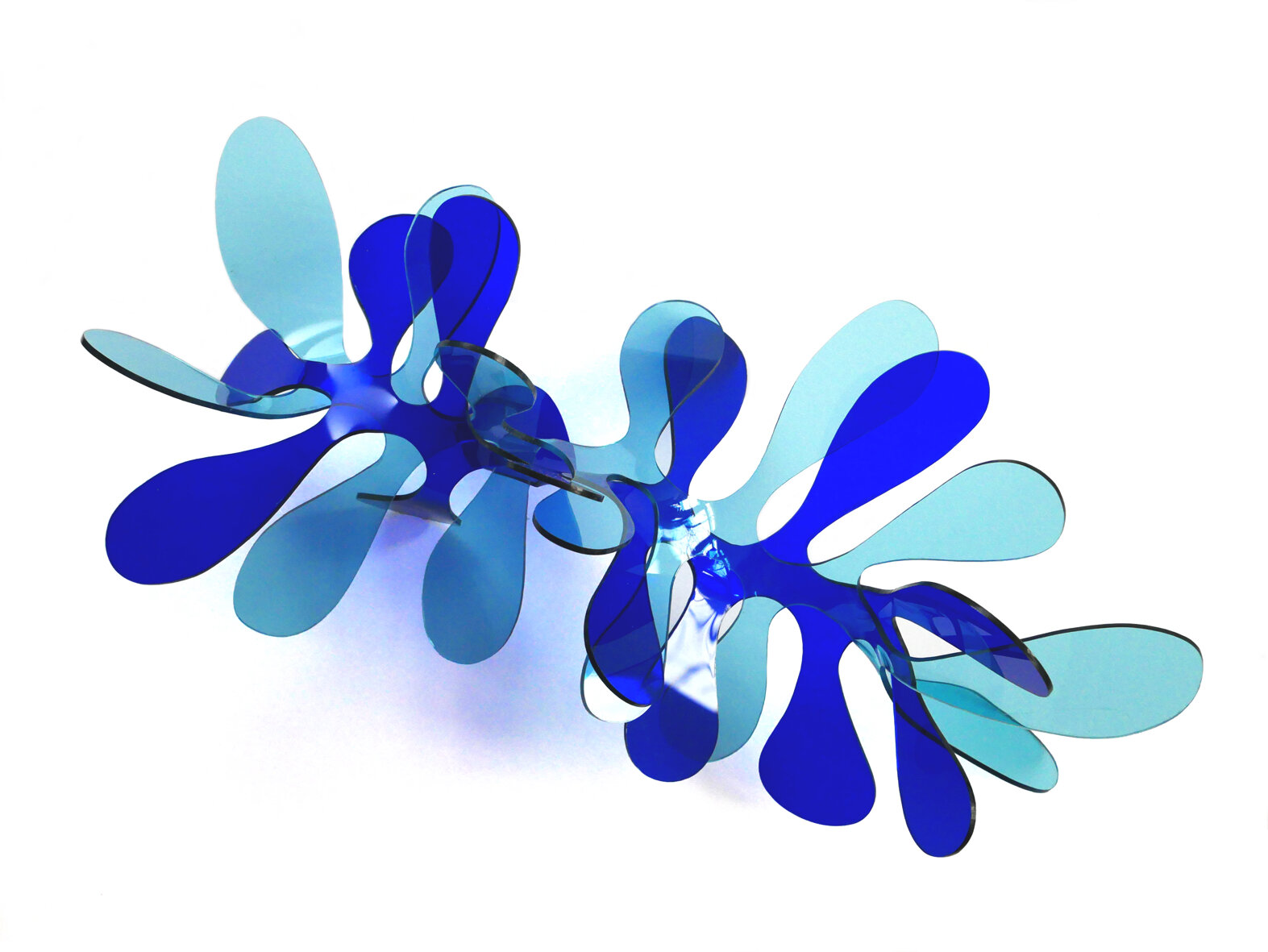
Bioscape (2019)
acrylic glass 22,3 x 52 x 24 cm
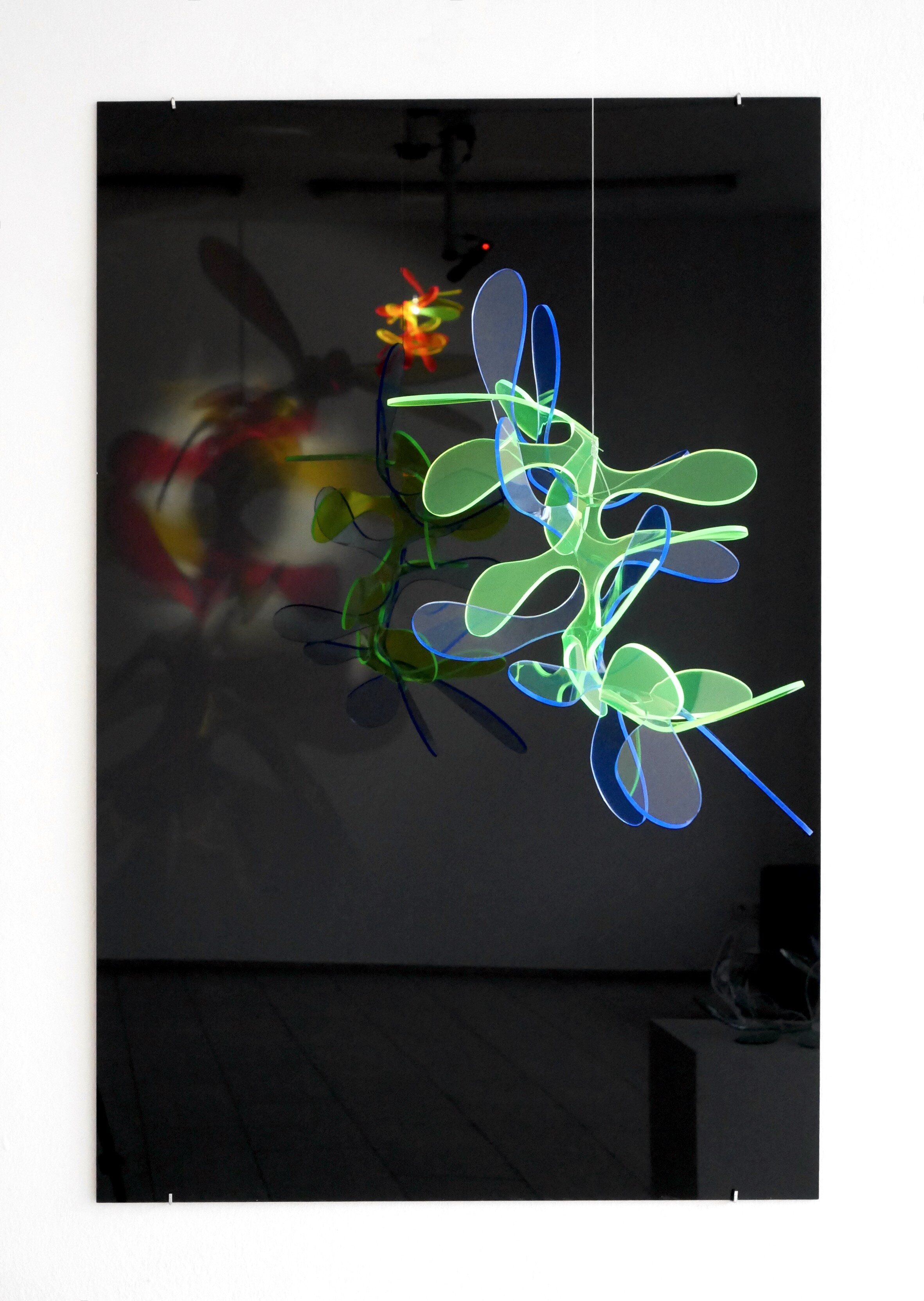
Modulation (2019)
acrylic glass 00 x 52,5 x 25 cm installation view, Cologne

Modulation (2019)
acrylic glass
40 x 25 x 22,7 cm
Fondation Suisse / Pavillon Le Corbusier, Paris

Modulation (2019)
light installation
Fondation Suisse / Pavillon Le Corbusier, Paris

P1 / László Stool (2019)
washed concrete and stainless steel
45 x 40 x 40 cm
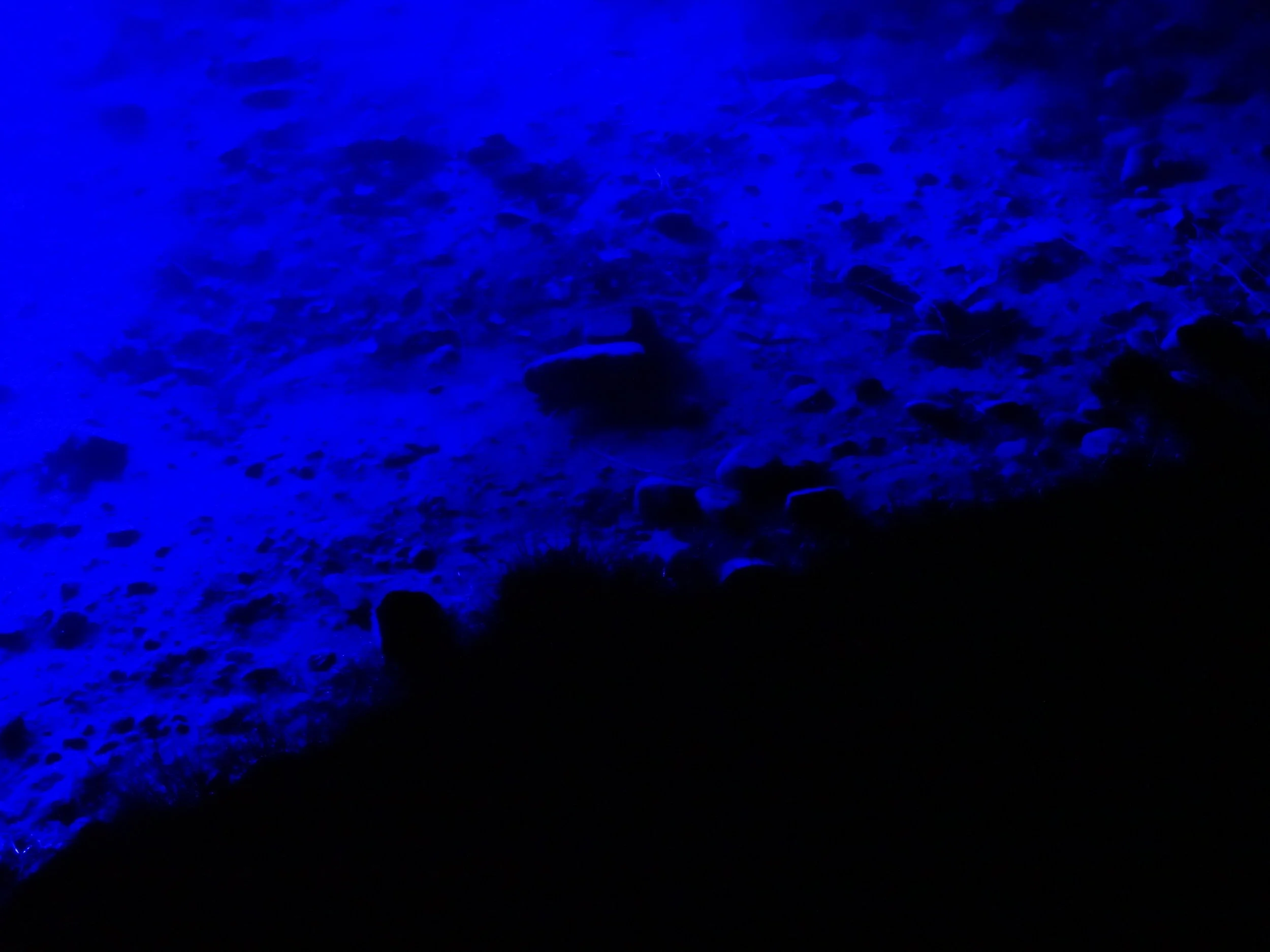
Noctiluca (2018)
light installation
Swiss Triennial of Sculpture, Bad Ragaz
16 x 32 m

Noctiluca (2018)
light installation
Swiss Triennial of Sculpture, Bad Ragaz
16 x 32 m

Parallel World (2016)
acrylic glass
96 x 76 x 80 cm

Vox (2016)
sound installation
(Photo: Michel Bonvin)

Momentum (2016)
Installation View
Embassy of Switzerland, Berlin
(Photo: Michel Bonvin)

Momentum (2016)
installation view
Embassy of Switzerland, Berlin
(Photo: Michel Bonvin)

Nameless Tower (2012)
acrylic glass and aluminium
300 x 32 x 32 cm

Nameless Tower (2012)
acrylic glass and aluminium
300 x 32 x 32 cm
(Photo: Michel Bonvin)

Instant Tower (2012)
washed-out concrete, glass bricks
160 x 56 x 27 cm

Haus des Architekten (2008)
washed-out concrete, glass bricks
65 x 40 x 40 cm

Untitled (2004)
wood, acrylic glass and aluminium
50 x 36 x 30 cm

Ding (2004)
wood, acrylic glass and aluminium
54 x 38 x 30 cm

Untitled (2004)
wood, acrylic glass and aluminium
60 x 30 x 19,5 cm
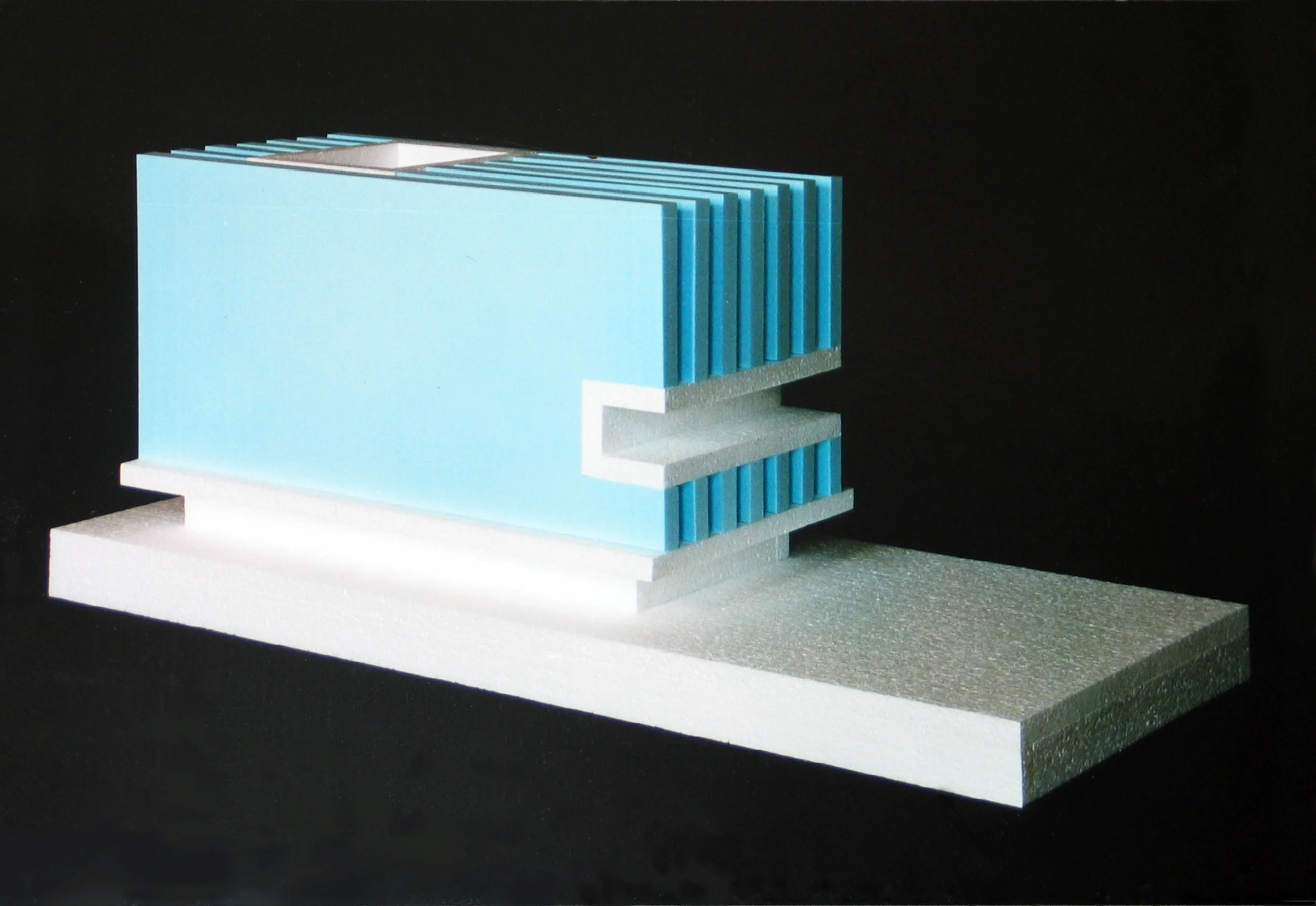
Untitled (1999)
polystyrene
40 x 95 x 38 cm

Untitled (1999)
polystyrene
124 x 57 x 12 cm
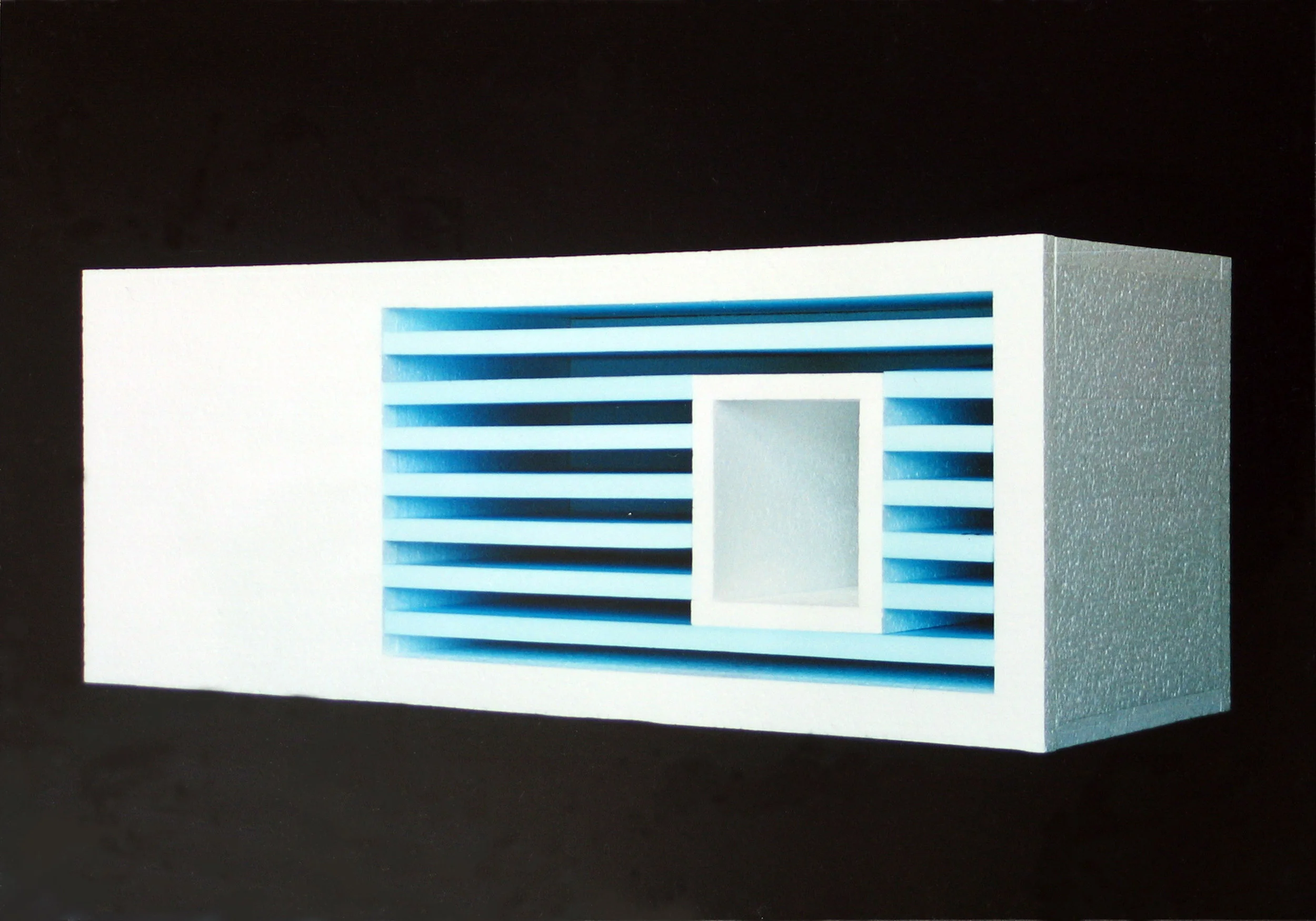
Untitled (1999)
polystyrene
38 x 95 x 35 cm
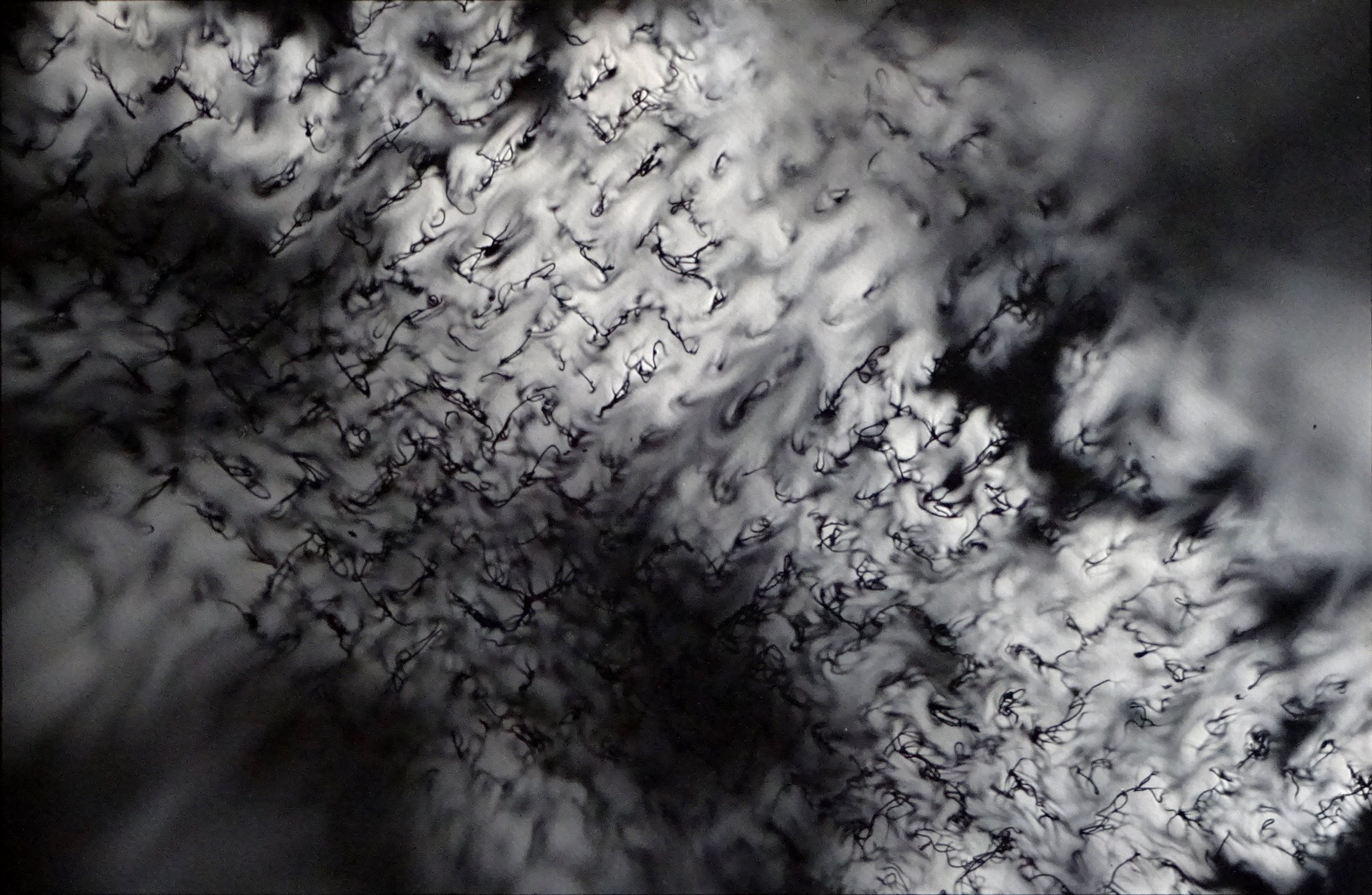
Sporagraphy (2021)
fungal spores on paper
65 x 50 cm
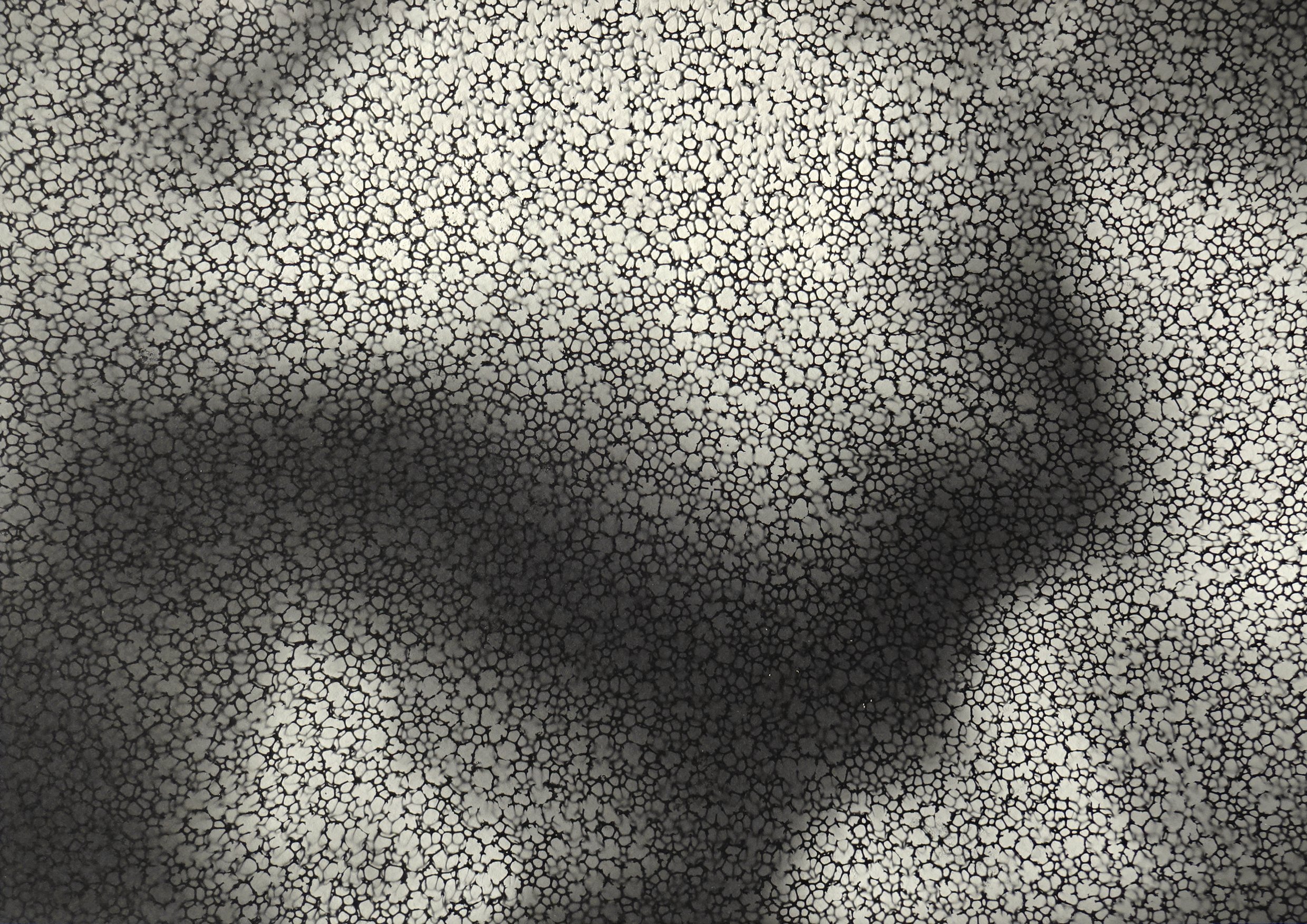
Sporagraphy (2020)
fungal spores on paper
21 x 29,7 cm
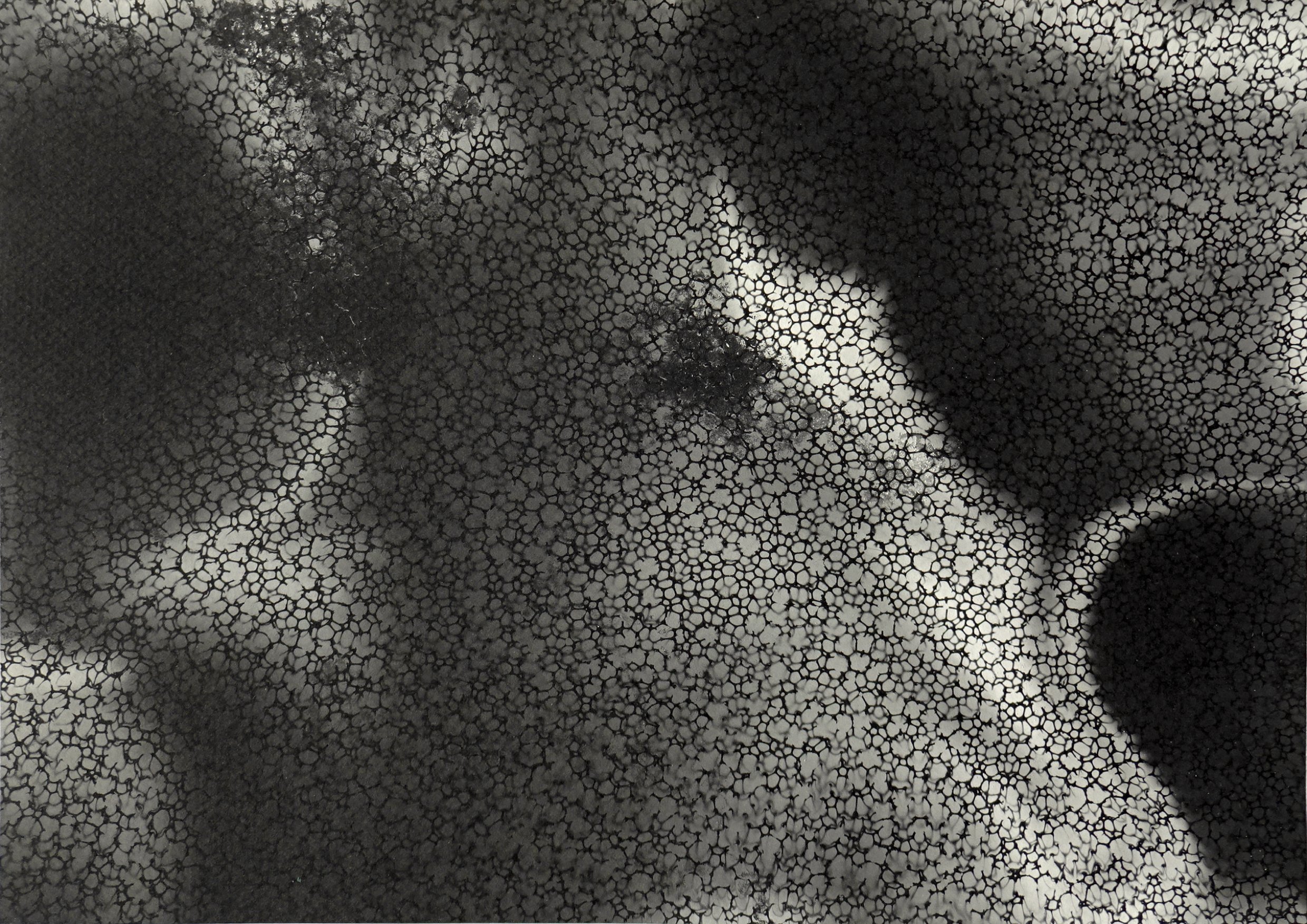
Sporagraphy (2020)
fungal spores on paper
21 x 29,7 cm

Sporagraphy (2019)
fungal spores on paper
21 x 29,7 cm
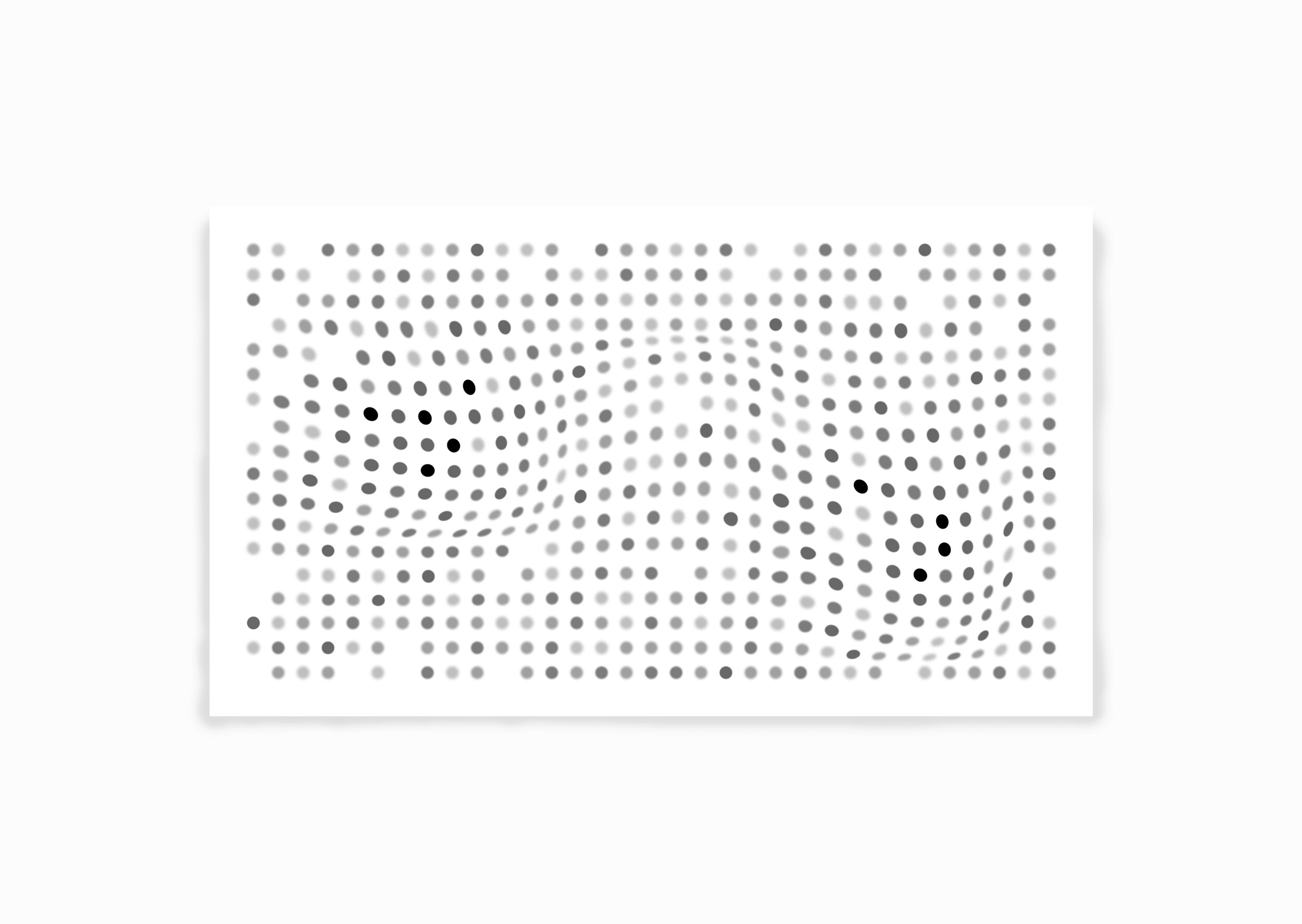
Skiagraphie, Grosse Fuge (2020)
silver gelatine print 125 x 214 x 4,5 cm

Skiagraphie (2014)
silver gelatine print
126 x 186 x 4,5 cm

Skiagraphie (2016)
silver gelatine print
126 x 106,5 x 4,5 cm

Skiagraphie (2011)
silver gelatine print
126 x 216 x 4,5 cm

Skiagraphie (2009)
silver gelatine print
126 x 171 x 4,5 cm

Skiagraphie (2009)
silver gelatine print
126 x 151 x 4,5 cm

Installation View Cologne

Installation View Berlin
Photo: Falk Weiß

Trace (2017)
acrylic and resin on aluminium
25 x 25 x 2,5 cm

Trace (2017)
acrylic and resin on aluminium
25 x 25 x 2,5 cm

Trace / Solaris (2015)
acrylic and resin on aluminium
50 x 70 x 2,5 cm

Trace / Gral (2015)
acrylic and resin on aluminium
29,8 x 21 x 8,6 cm

Trace / Flux (2015)
acrylic and resin on aluminium
72x 58 x 2,5 cm
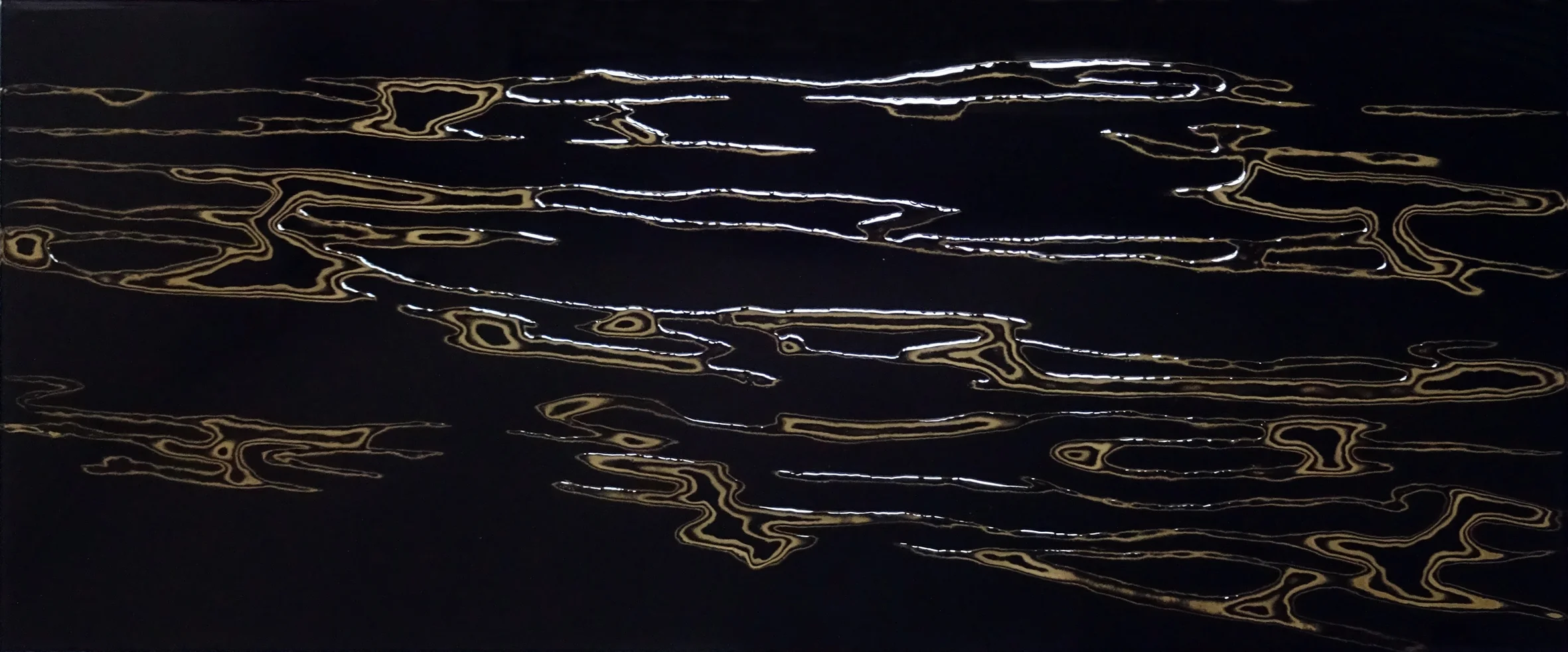
Trace / Rheingold (2015)
acrylic and resin on aluminium
42 x 101 x 2,5 cm

Trace / Polaris (2015)
acrylic and resin on aluminium
50 x 70 x 2,5 cm

Trace / Scape (2015)
acrylic and resin on aluminium
50 x 70 x 2,5 cm

Trace / Erinnerung (2014)
acrylic and resin on aluminium
25 x 25 x 2,5 cm

Trace (2011)
acrylic and resin on aluminium
25 x 25 x 2,5 cm

Trace (2010)
acrylic and resin on aluminium
105 x 148 x 4,5 cm
Sculpture
Sculpture and Architecture
In both our Western and Eastern European cities, we are essentially marked by the post-war- modernity of the 1960s. But now, in the time of hypertrophic architects’ dreams and global glass architecture, the designs of the 60s are considered to be a petit bourgeois Bauhaus-blend. This architecture is often considered to be ugly and is condemned to be torn down without any difficulty. We associate this architecture with compact city architecture, slab-bloc estates, built-up city centres and concrete Brutalism. An entire epoch is threatened with disappearance from cultural memory because we are ignoring it. You have to want to see the beauty of these structures and materials, their relation to tradition, the novelty of their approach, their unity, their interaction with music and fashion, then can one see what Pabsch holds worthy of looking at and considering. I see his models as a homage to the 1960s, because of their surface composition, choice of material, their apertures and rounded-off corners. They are a revaluation of forms, even of architectural aesthetics, a new approach to the principal of stacking, a light-hearted salute to glass blocks and washed-out concrete slabs.
Sporagraphy
Humans are only capable of seeing objects larger than 200 μm (0.2 mm) with the naked eye. Fungal spores range in size from 3 to 200 μm and barely reach this critical threshold and, therefore, normally remain invisible. The threshold of human visibility is only exceeded when large numbers of spores are deposited on a surface. In these works, fungal spores, and in effect nature, take on an active role in the design process. In doing so, the works address the relationship between nature and culture. The size of the spores results in flowing transitions of unique quality. The boundaries between light and dark, and sharp and opaque are exquisitely nebulous. The spore images, which the artist calls sporagraphs, have the appearance of abstract photographs and, in this way, challenge the viewer's perception.
Skiagraphy
Photography is Light and Shadow
When the photo-pioneer William Henry Fox Talbot developed the negative-positive process in the 19th century, he first wanted to name the discovery „Skiagraphy“ (shadow writing). Matthias Pabsch’s work ties in with the fundamental thoughts on the essence of the new medium and the attempt to conceptualise it. They are pictures composed of shadows, which are reduced to the basic elements of photography: bright – dark and sharp – blurred. As a result of our brain’s visual experience, it reads this optical information as near and far, and creates the illusion of spatial depth. The shadows are both analogue and digital. They cause photochemical processes on the surface of the picture, which cannot be completely controlled and consistently create the unexpected. In this way, the picture becomes a photograph. The frameless pictures of Matthias Pabsch, mounted on aluminium, hang slightly away from the wall, and thus cast a shadow themselves: pictorial space created by shadows surrounded by the real shadow of the space.
Trace
„Trace“ – is a series of individual pictures, cosmic-like traces, extremely smooth in the treatment of the surface, at the same time hypnotic and dissociating, exiting and seductive, so that one would like to gently stroke the surface, to understand the depth of the image, this suggestive flow into the abyss of the universe. At first one thinks of maybe the enamel technique or photography. But there the inquisitive viewer is wrong. Pabsch has found an effective method of sensually seducing the viewer between abstraction and concretion. By applying acrylic and resin onto aluminium panels using a sophisticated painting technique with a profound spatial sense. Elements can be discovered in the motifs that are normally hidden from the human eye, or can only visualized with the aid of specialized technical instruments, like structures that are only visible with magnetic resonance tomography. Recordings from infrared cameras also inspire the artist. The motif of swarms of elementary particles unfolds entirely as a result of the artistic technical method.